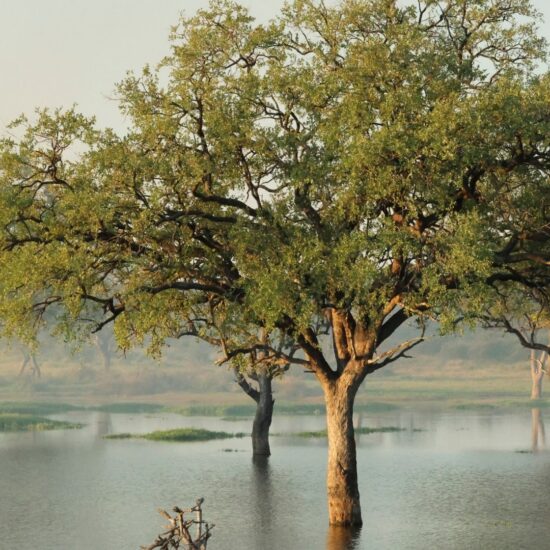
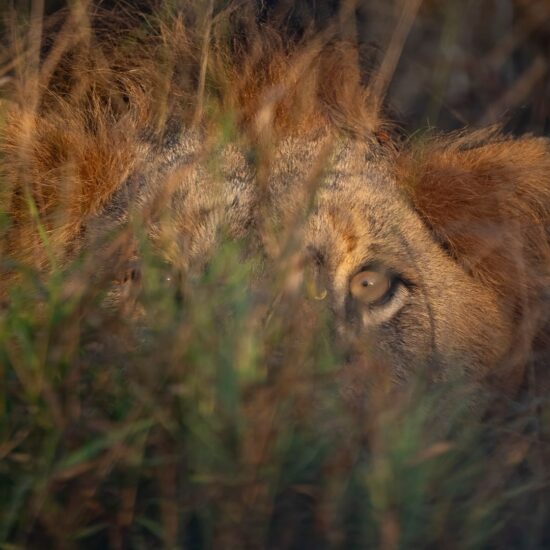
These gentle giants of the Kruger embody the spirit of wilderness
To meet an elephant in the wild is to step into a presence larger than words. These are the quiet giants of the Kruger – immense yet unhurried, powerful yet profoundly gentle. Their movements shape the wilderness, their memory holds its maps, and their spirit seems to carry the essence of Africa itself. At Kruger Untamed, an elephant encounter is never just a sighting. It is an invitation to feel the stillness of the land and to share, for a moment, in the wisdom of an ancient society.
Elephants live their lives in close-knit families, bound together by the enduring leadership of a matriarch. She is the keeper of memory, a living archive of paths, rivers and hidden pans, leading her herd to survival in times of plenty and scarcity. The knowledge she carries is not hers alone but is inherited through generations, passed like a flame along a line of mothers and daughters. Around her, the younger elephants learn through touch and imitation, their days filled with trumpets, playful shoves and the patience of their elders.
When you sit quietly and watch a herd approach, the bush itself seems to change. Dust lifts gently as they pass, their footsteps surprisingly silent for such immense creatures. You hear the crack of a branch, the rustle of leaves stripped with a casual sweep of a trunk, and then that low, almost felt-rather-than-heard rumble that vibrates through your chest. Calves peer curiously from the safety of their mothers’ sides, while the older siblings swagger with the confidence of youth, swinging trunks like over-grown toys. In those moments, you feel not like an observer but a guest in their world.
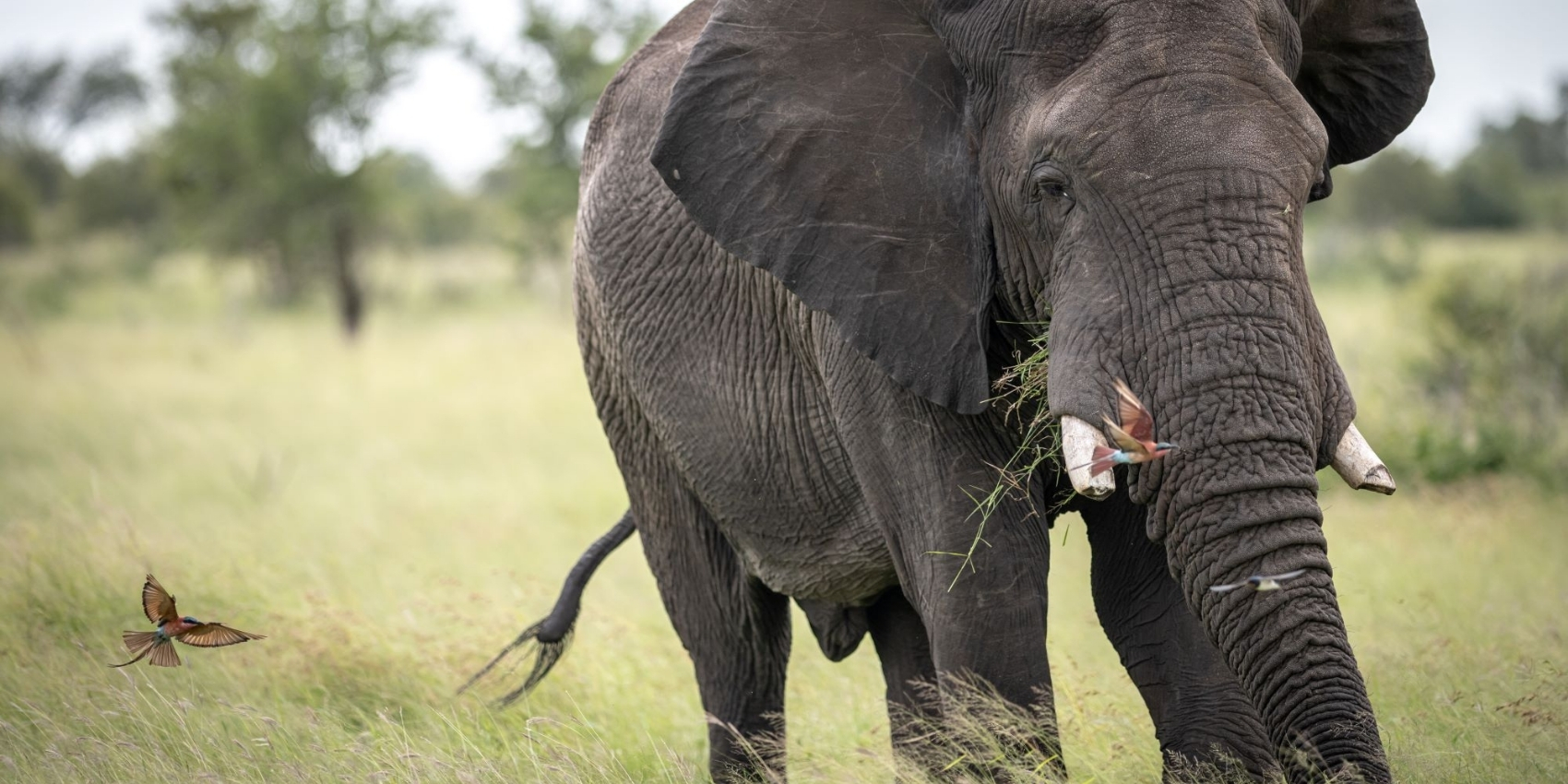
To watch elephants in the dry bed of the River at Tshokwane River Camp is to witness the deep memory of the herd in action, not to mention awe-inspiring. Here, they pause to dig, trunks testing the sand, smelling the faint trace of water concealed far below the surface. With slow determination, they gouge hollows with their tusks and feet, reaching down to the hidden flow.
This ability to find water where none seems to exist is wisdom carried across centuries, passed through generations, the instinct to find sustenance where others would see only dust. When the first seep comes, the herd gathers close, drinking deeply, while calves press eagerly at the sides of their mothers, learning that this too is how elephants endure.
From the shade of a tree or the quiet of a camp vantage point, you can feel the anticipation build as they work. Sand sprays into the air, tusks scrape against stone, and finally a darker patch of earth begins to appear, and then, slowly, water… Brown and muddy then clearer as the sand settles. You hear the sound of water being drawn up into a trunk – a sudden, deep inhalation – followed by the soft splash as it pours into a waiting mouth. To witness that discovery is to understand how tightly elephants are bound to the rhythm of this land, and how extraordinary it feels to share in that secret.
At Satara Plains Camp, the open grasslands stretch wide, edged by the course of the Mavumbye River. Elephants here are often seen moving in long, deliberate lines across the savannah, or drifting down towards the water with calves sheltered between their mothers. Sometimes they enter the river slowly, water swirling around their vast legs, while others linger on the banks, stripping branches, shaking dust into the air. The rhythm of their passage is timeless, a reminder of the bond between elephants and water, grass and memory.
There are moments when the entire herd gathers in the shallows, spraying arcs of water that glitter in the sun. The air fills with the scent of wet earth and elephant skin, rich and unmistakable. You can close your eyes and still know exactly where you are – the splash of a playful calf, the deep gurgle of a bull drawing in water, the steady tearing of foliage all around you. It is an immersion, every sense engaged, every breath tied to theirs.
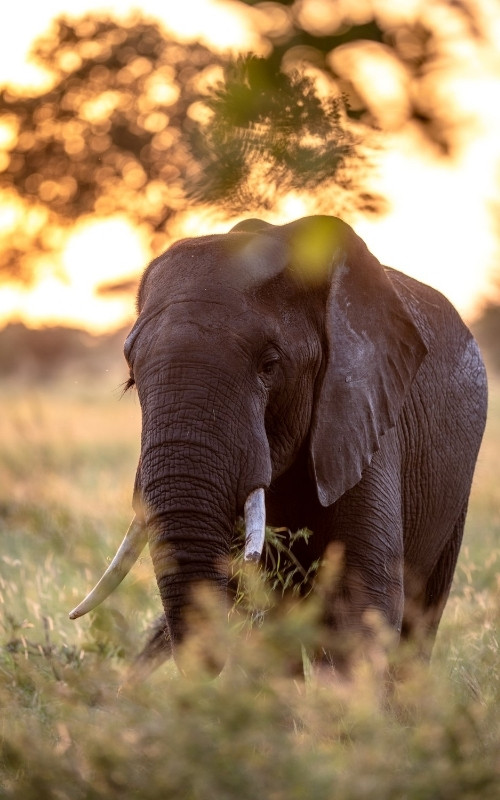

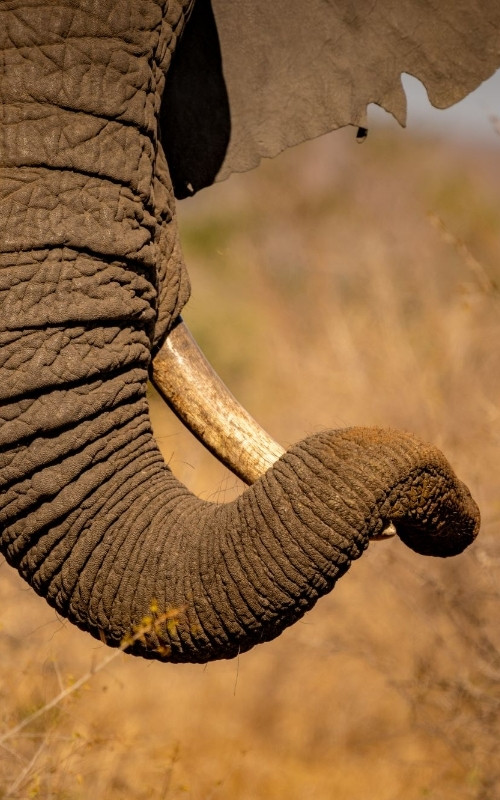
What sets elephants apart is not only their size but their depth of being. They comfort one another with entwined trunks, they mourn their dead with rituals that echo human grief, and they speak in frequencies that pass through the ground itself. Stand in their presence and you may feel it – a deep vibration resonating through your feet, a subterranean language that binds them across distance, invisible but undeniable.
Ecologically, elephants are more than giants. They are the shapers of wilderness, architects of diversity. The trees they push over open clearings where sunlight pours down and fresh grass takes root, drawing zebra, wildebeest and buffalo to feed. The seeds they carry in their dung germinate into new thickets and groves. Their constant movement sculpts the Kruger into a mosaic of habitats, each one linked to the quiet passage of a herd.
Yet beyond the science, it is the feeling they leave that lingers longest. There is something almost spiritual in their presence. Time stretches in their company. The air feels charged, heavy with the scent of dust and crushed grass, the musky sweetness of elephant itself. You notice the rhythm of the bush slow to match their unhurried steps. The tearing of branches, the low rumble of bellies, the soft snort of calves – these sounds become the heartbeat of the land, steady and grounding.
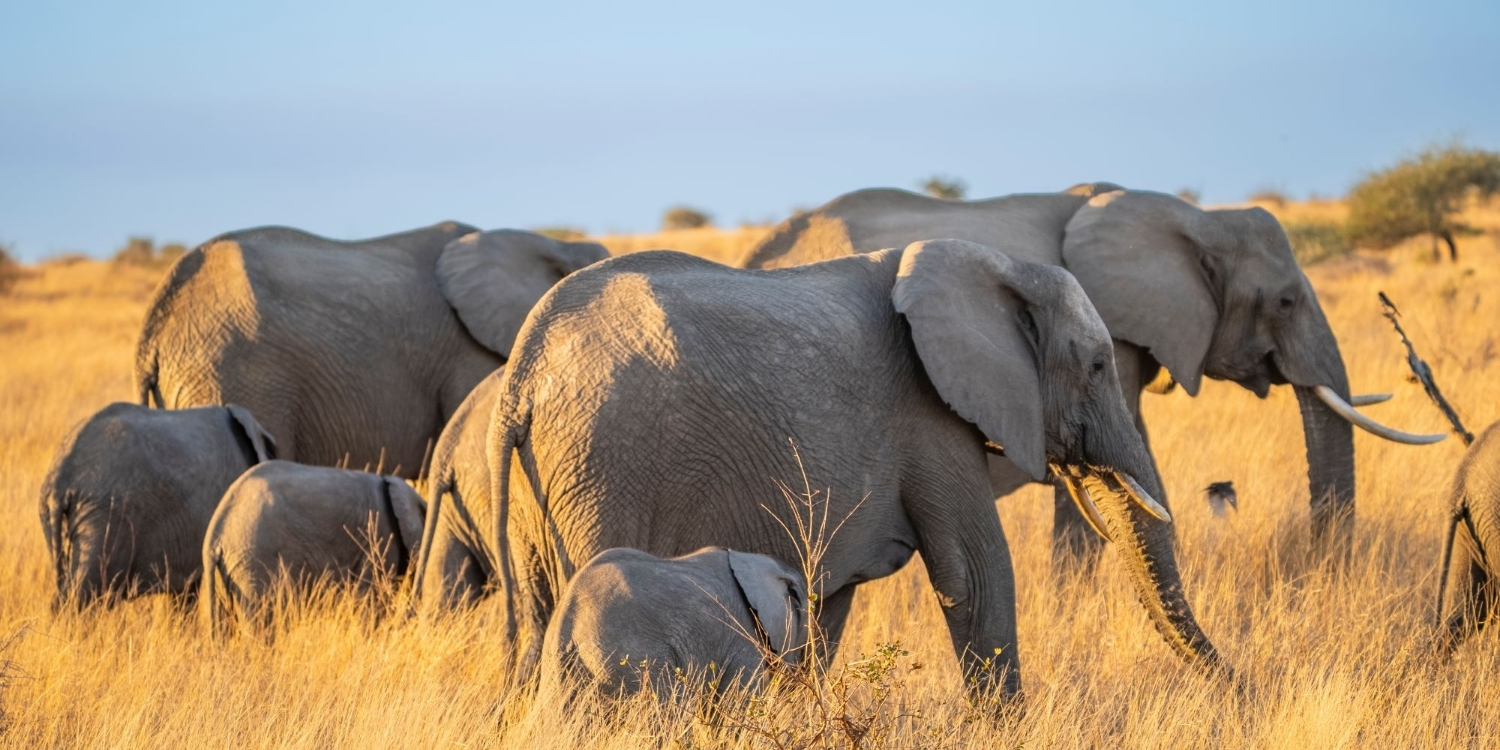
To share space with elephants at Kruger Untamed is to be reminded that the wilderness is not separate from you, but something you are part of. These are not mere animals to be ticked off a list, but the living spirit of the land, carriers of memory, wisdom and grace. They embody resilience, they embody belonging, and in their shadow you glimpse your own place in the great continuity of life.
Elephants will always be here at the heart of the Kruger. And when you leave them, the memory remains: the quiet majesty of a giant, and the echo of wilderness carried within you.