
When the wilderness breathes again
Rain is never just weather in the wild. It is a signal, a shift, a deep breath drawn by the land itself. Across the Greater Kruger region, rain carries meaning far beyond relief from dust or heat. It sets ancient processes back into motion, reawakens dormant systems, and restores balance to landscapes shaped by cycles far older than human memory.
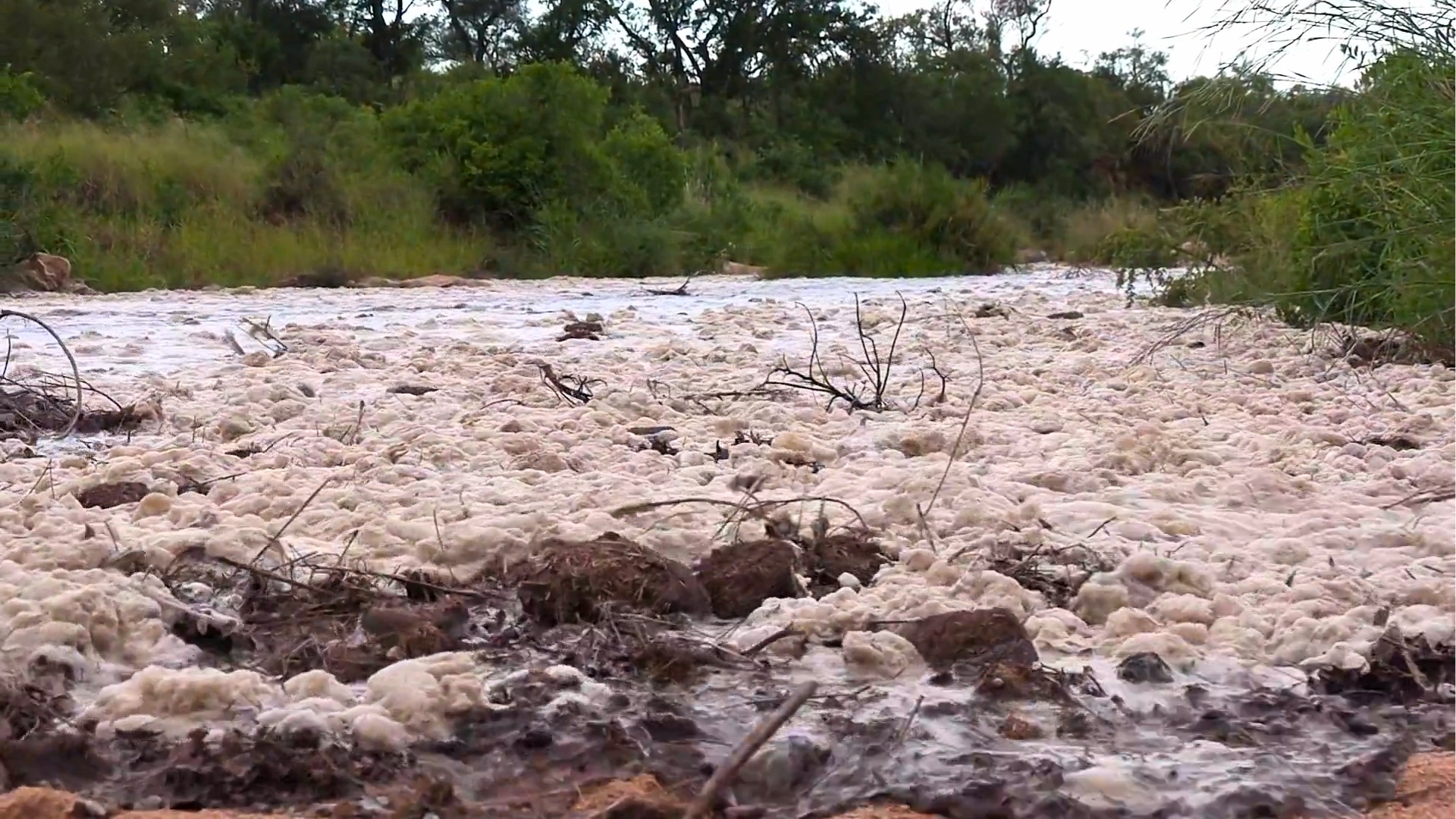
This January, the rains arrived with extraordinary force. A rare, one-in-one-hundred-year weather system moved across the region, bringing sustained and intense rainfall that altered rivers, flooded low-lying areas, and caused real devastation in surrounding communities. Such events cannot be ignored, nor should they be minimised. Yet within the context of the wilderness, these rains also form part of a deeper ecological story.
In a landscape built on rhythm and resilience, water, even in excess, remains a fundamental agent of renewal.
Before the rain even falls, the wilderness knows. There is a change in the air, a heaviness that settles across the land, as though everything is holding its breath. Dust hangs motionless. Insects retreat. Birds call differently, sharper and more insistent. Animals pause and listen. The approach of rain is felt long before it is seen.
The scent of change
When the first drops strike dry earth, the response is immediate and sensory. The scent released is known as petrichor and is an unmistakable mix of soil, vegetation, and memory. This is not just moisture returning to the land, but possibility.
The ground softens and opens, allowing seeds that have waited patiently through months of heat to begin their work. Within days, the wilderness shifts from restraint to expression, as green pushes through with quiet urgency.
After extended dryness, rain restores more than colour. It restores confidence to the ecosystem. Plants invest energy again. Roots stretch deeper. Leaves unfurl not cautiously, but decisively. The wild does not celebrate loudly, but its response is unmistakable. This is a system that remembers exactly what to do when water returns.
Water as a lifeline
Rain is the great connector in the wilderness. It links habitats that have been separated by the dry season and restores pathways that wildlife depends on. Rivers swell and spill into their floodplains, replenishing wetlands and pans that may have been empty for months or even years. Seasonal drainage lines awaken, carrying water, nutrients, and life across the broader landscape.
These connections ripple outward through the ecosystem. Fish move into newly accessible waters. Frogs emerge in extraordinary numbers, filling the night with sound. Aquatic insects hatch in abundance, forming the base of food chains that support birds, reptiles, and mammals alike. This surge of life is not random. It is precisely timed and deeply interdependent.
For larger wildlife, the presence of widespread water changes movement and behaviour. Grazers no longer need to cluster around permanent rivers, easing pressure on vegetation and allowing habitats time to recover. Predators adjust their strategies, following prey into areas that were previously inaccessible. The wilderness becomes more evenly used, more balanced, and more resilient as a result.
A season of growth
The visual transformation after sustained rain is profound. Open landscapes soften into rolling green. Riverbanks thicken and expand. Trees that have endured months of stress regain their lustre, producing new growth that feeds everything from insects to elephants. The wild does not rush this process, but once it begins, it is unstoppable.
This abundance underpins one of the most important biological periods of the year. Many herbivores time their birthing to coincide with peak nutrition. Impala lambs, wildebeest calves, and warthog piglets appear when grazing is at its most nutritious, giving them the best possible start. Milk production improves, survival rates rise, and populations stabilise.
Predators, too, benefit from this cycle, though often in less visible ways.
Healthy prey populations mean stronger individuals and more sustainable hunting patterns. Even species rarely seen by guests, from rodents to reptiles and ground-nesting birds, find opportunity in this season of plenty. Rain strengthens the ecosystem from the ground up, ensuring that growth is not superficial, but structural.
Understanding the January rains
This January’s rainfall was exceptional. Rivers rose rapidly, familiar crossings disappeared, and parts of the landscape were reshaped almost overnight. In human terms, such events bring disruption and loss, and it is important to acknowledge the hardship experienced by many communities in and around the Greater Kruger region.
From an ecological perspective, however, these intense rainfall events are not without precedent. African wilderness systems evolved under extremes. Long dry periods followed by intense, sometimes overwhelming rains. These pulses of water perform vital work. They recharge deep aquifers, flush river systems, redistribute nutrients, and reset ecological processes that slower rainfall cannot.
What appears destructive in the short term often proves regenerative over time. Floodplains are renewed. Seed banks are activated. Vegetation diversity increases. While the impact of such weather systems must always be approached with respect and caution, the wild has an extraordinary capacity to absorb, adapt, and recover. This resilience is not accidental. It is the product of millennia of adaptation to variability.
The quiet aftermath
When the rainfall eases, the wilderness enters a different kind of stillness. The air feels different as humidity levels rise. Light softens. Sounds travel farther across damp ground. Tracks become clearer, telling fresh stories with every passing animal. There is a sense of pause, as though the land is assessing what has changed.
This is when the wild feels most generous. Frogs call through the night, creating a layered chorus that speaks of abundance. Mornings open with complex birdsong as species take advantage of new feeding and nesting opportunities. Even the smallest movements, insects lifting from grass, leaves trembling in a breeze, feel amplified.
For those who spend time immersed in nature, this period offers perspective. The wilderness does not dwell on what was disrupted. It moves forward, investing fully in what is now possible. There is humility in witnessing this, and reassurance too. Nature does not seek perfection, only balance.
A rhythm older than us
Rain reminds us that the wild operates on its own timeline, guided by cycles of need, renewal, and restraint. In the Kruger, these rhythms have endured through droughts, floods, fires, and centuries of change. They are neither gentle nor cruel, simply necessary.
To witness heavy rain in the wilderness is to see continuity in action. Rivers may change course and familiar places may shift, but the outcome is life renewed and systems strengthened. What the land loses in familiarity, it gains in resilience.
In the end, rain is an act of generosity. It nourishes without discrimination, reshapes without intention, and prepares the wilderness for whatever comes next. In every downpour lies the promise of continuity, a reminder that even in moments of upheaval, the rhythm of nature remains profoundly, insistently life-giving.


