September and October bring their own rewards
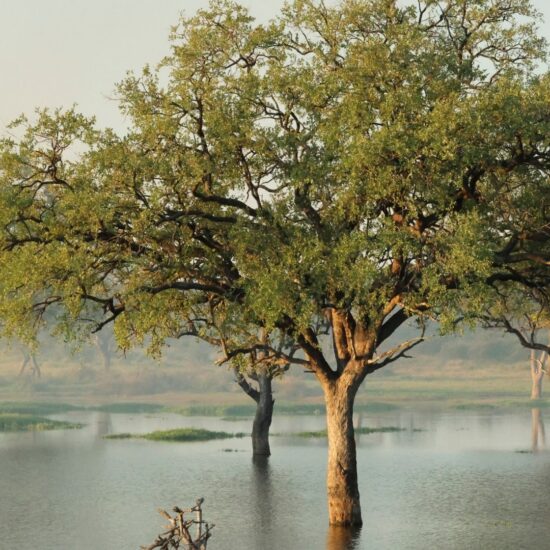
The Kruger National Park in September and October is a different proposition from the park that winter visitors experience, and the difference is worth seeking out. The dry season has done its work: the waterholes are at their lowest, the vegetation stripped back to its bones, and the wildlife concentrated in ways that make for game viewing of extraordinary intensity…
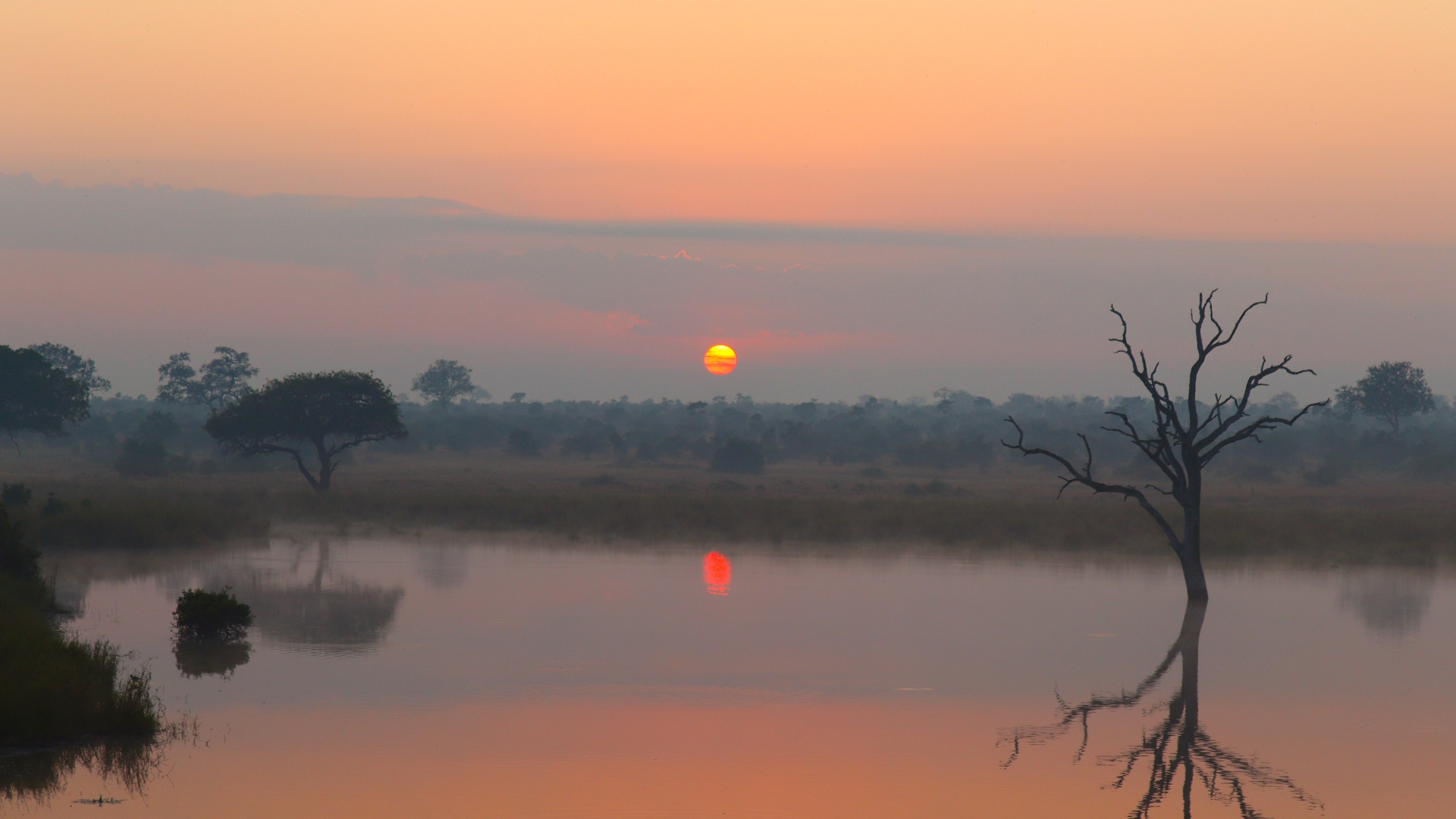
Layered on top of all of this is something else entirely, a landscape that is visibly, palpably building towards something. The dust is thicker, the animals more restless, the afternoons charged with the kind of atmospheric pressure that precedes a change in season. It hasn’t happened yet, but everything out there knows it’s coming, and being in the Kruger when it does is one of those experiences that stays with you.
What’s actually happening out there
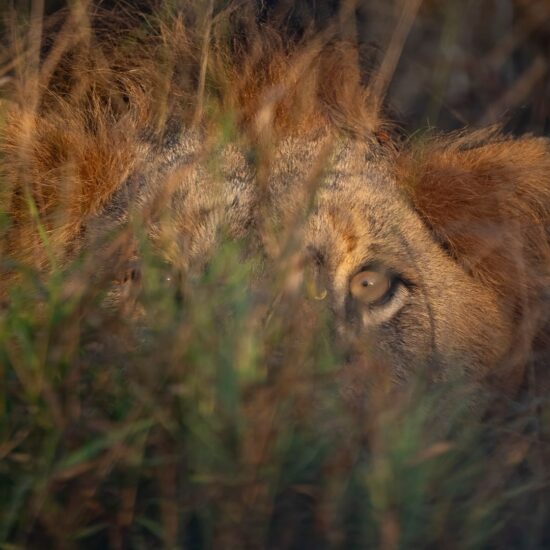
By September the temperatures are climbing and the bush is showing the strain of a long dry season, but the wildlife is responding to signals that aren’t yet visible to the human eye. The great herds of buffalo, zebra and wildebeest that have spent the winter months concentrated around permanent water are becoming restless, sensing the shift that is coming before it arrives. Predators pick up on this restlessness, and the result is a heightened level of activity across the park that makes for game drives of real drama and unpredictability.
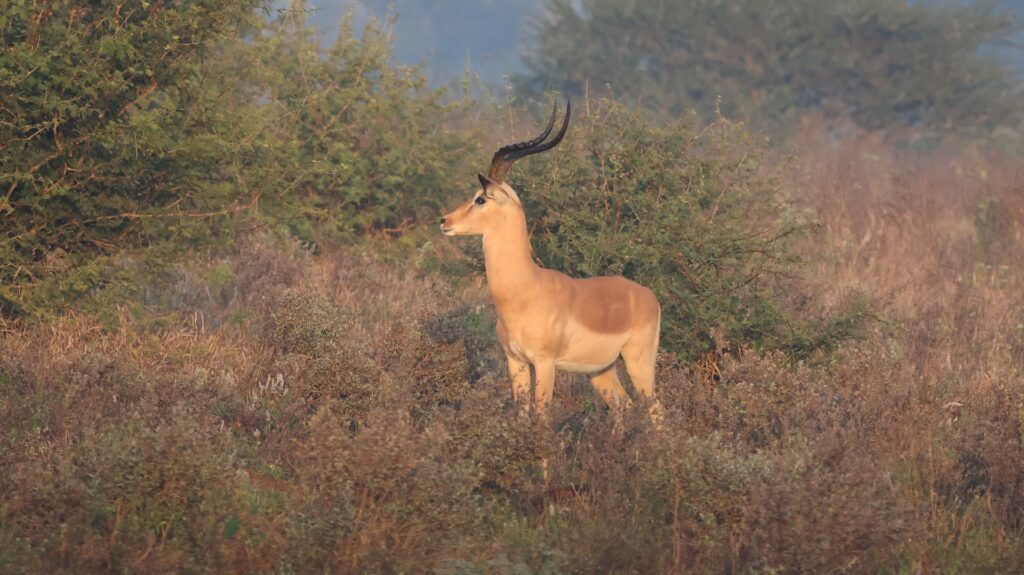
The female antelope and plains game that are heavily pregnant by October are extraordinary to watch. They’ve timed their pregnancies with a precision that has been refined across thousands of generations, waiting for the first rains to trigger birth so that their young arrive into a landscape of fresh grass and abundant water.
Seeing them in the final weeks of that wait, patient and enormous and entirely focused on what’s coming, is one of those experiences that reminds you how much is going on in the bush that has nothing to do with predators and prey and everything to do with the deeper rhythms of the place.
The birds change everything
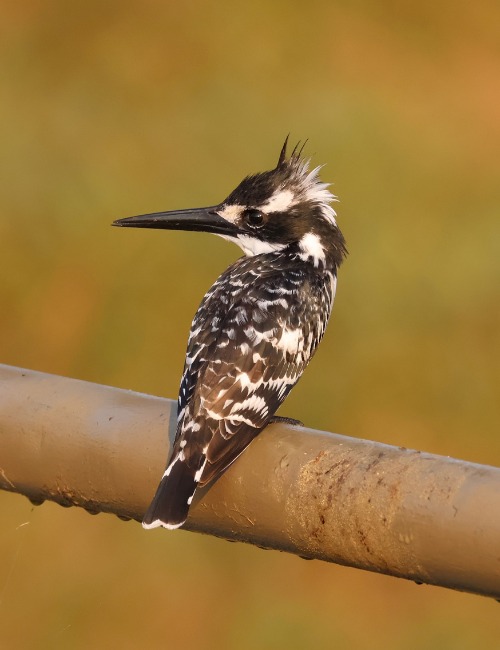
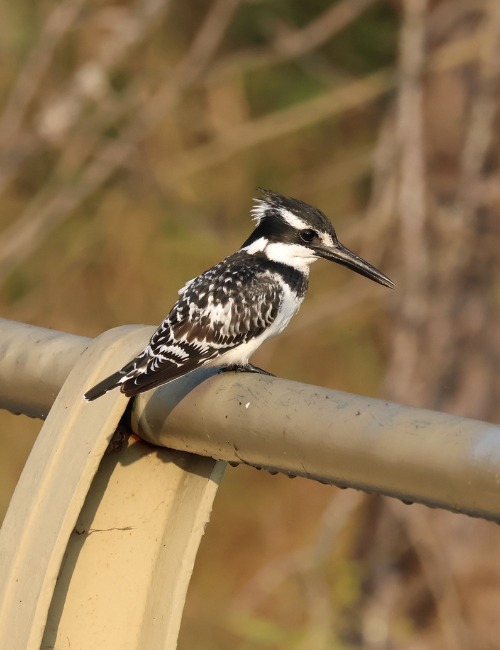
From mid September the summer migrant birds begin arriving back in the Lowveld, and for anyone with even a passing interest in birds, this is one of the most exciting things the Kruger has to offer. The calls are different, the colours are suddenly vivid against the dry brown of the late season landscape, and the activity in the trees and along the drainage lines picks up in ways that are immediately noticeable even if you couldn’t name a single species.
The bush sounds different in October than it does in July, and that difference is worth experiencing.

The game viewing argument
There’s a case to be made that the best game viewing of the entire Kruger Untamed season happens in the final weeks before the rains. The waterholes that remain are drawing extraordinary concentrations of animals, and the competition for space and water between species produces encounters that the more abundant conditions of earlier months simply don’t generate. Predator sightings are frequent and often sustained, the big cats that define the Satara region in particular operating with an urgency and visibility that reflects the tightening of resources around them. For guests whose primary motivation is exceptional wildlife encounters, there’s a genuine argument for planning a trip specifically around this window.
What the camps offer in spring
Being at Tshokwane River Camp or Satara Plains Camp in September and October means experiencing the Kruger’s most dramatic seasonal moment from exactly the right vantage point. Game activities define days that are warm and clear and increasingly charged as October advances, and the camp itself takes on a different quality as the season progresses, the evenings warmer, the nights shorter, the atmosphere around the fire carrying a sense that the season is moving towards something significant.
The hot tubs at both camps earn their place in the spring heat, with the water temperature adjusted to suit the warmer days, and the pool at Tshokwane comes into its own as the afternoons warm up properly and a cool swim between drives becomes one of the more appealing options available.
September and October are not a compromise on the winter experience. They’re a different experience entirely, with their own compelling reasons to be there, and the guests who are in camp when the first storm rolls in across the Lowveld tend to describe it as one of the most extraordinary things they’ve ever witnessed. Tshokwane River Camp and Satara Plains Camp are open until the end of October 2026.