Honouring the centenary of Kruger National Park
There are few places left on Earth where time still feels ancient. Places where the horizon is unchanged by buildings, where elephant paths outlast roads, and where the same lion calls echo across generations. Kruger National Park is one of those rare landscapes. In May 2026, we will be marking 100 years since the Kruger was formally declared South Africa’s first national park. A full century of protection, persistence, and wildness…
A hundred years is a milestone in human terms. In the life of a wilderness, it is only a heartbeat. And yet what a powerful heartbeat it has been. Long before it carried the name Kruger, this land was already alive with story. San communities moved lightly through the bush, leaving behind rock art and memory. Later came traders, hunters, settlers, and rangers.
By the late 1800s, wildlife numbers were falling fast under pressure from unchecked hunting and expanding settlement. Visionaries began to argue for protection, for the radical idea that a vast piece of land should be kept simply for nature itself.
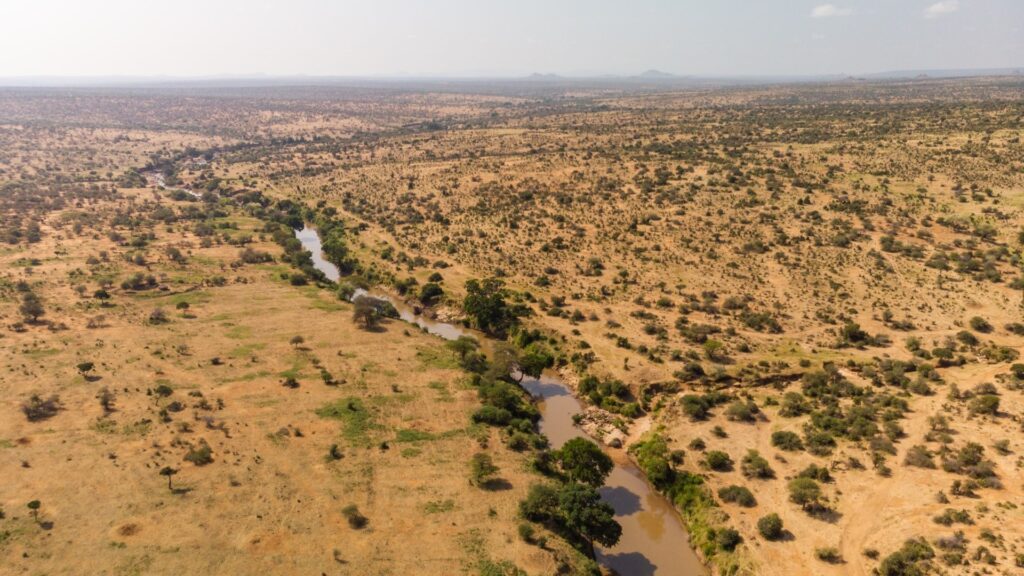
In 1898, the Sabie Game Reserve was proclaimed. A few decades later, in 1926, the Sabie and Shingwedzi reserves were formally combined and recognised as the Kruger National Park under the new National Parks Act. For the first time, this enormous stretch of Lowveld bush was given a clear mandate. Protect the wildlife. Protect the landscape. Protect it not for a season, but for generations.
In those early years, the park was raw and remote. There were few roads and even fewer visitors. The first tourists arrived by car in 1927. Only three vehicles entered that year. Imagine that. Three dusty cars rumbling into an ocean of bush that must have felt almost limitless. No queues. No camps as we know them. Just space, silence, and the thrilling uncertainty of what might be around the next bend.
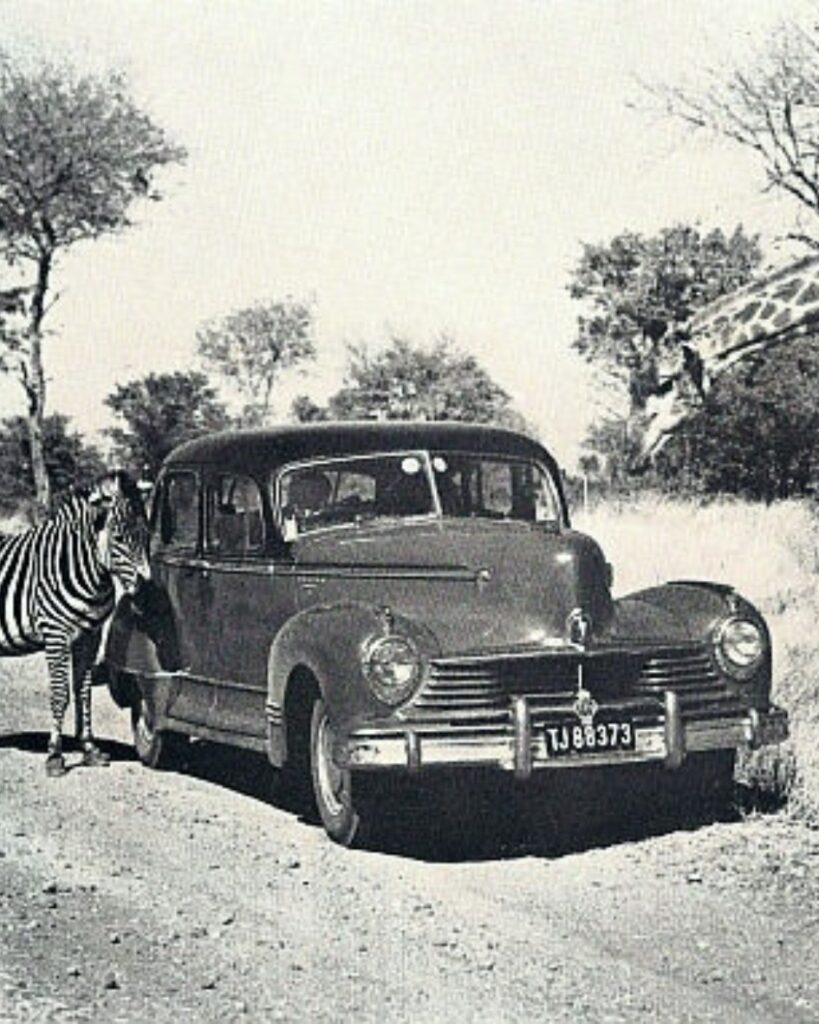
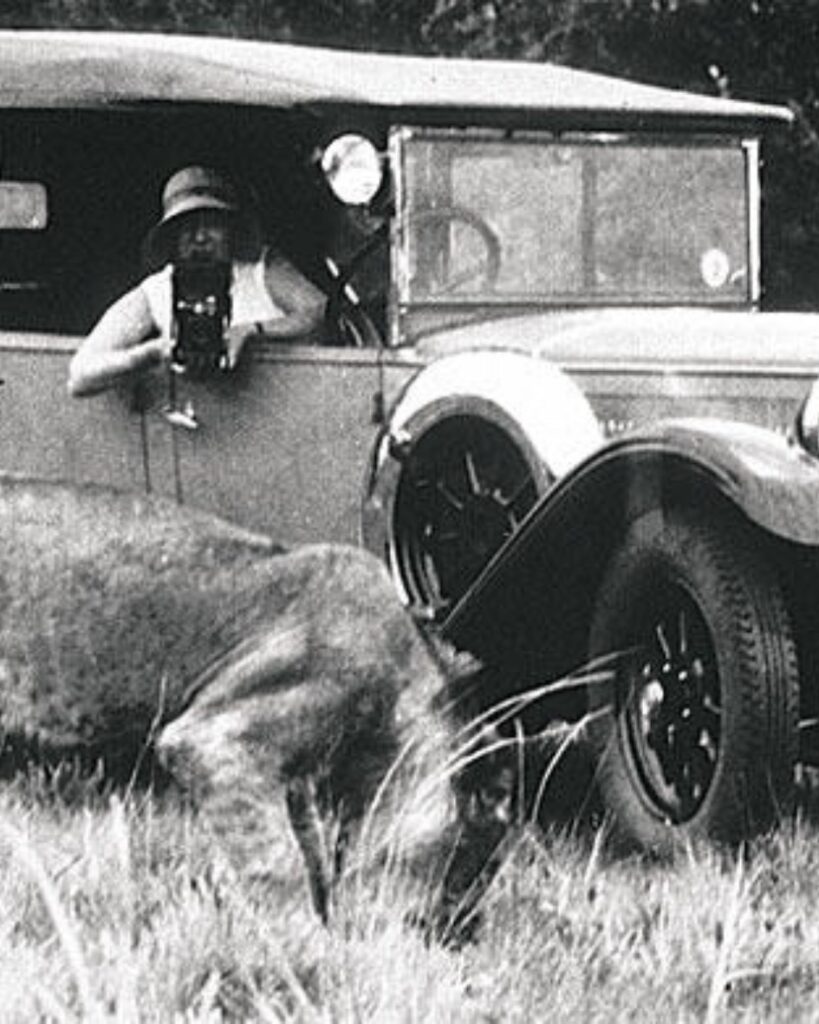
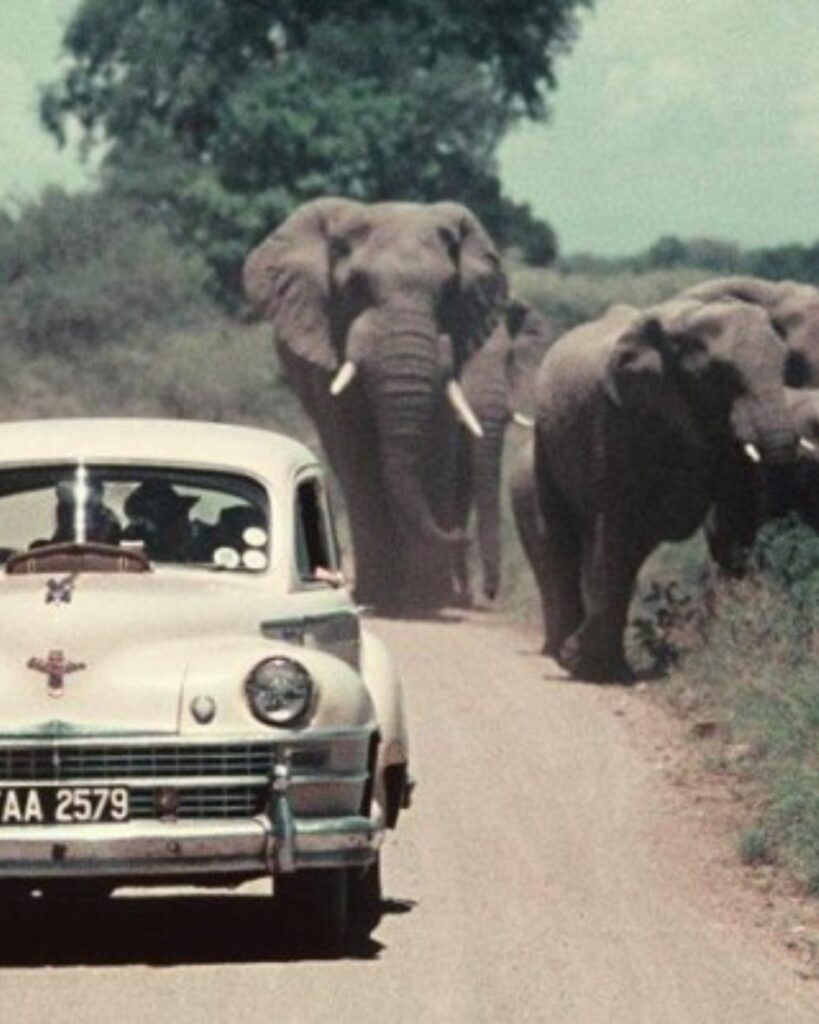
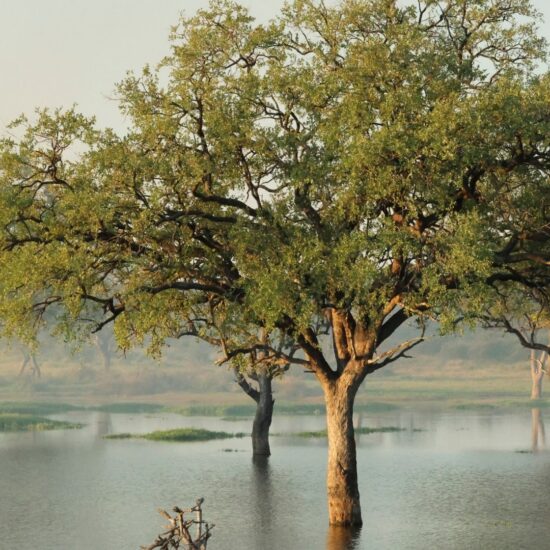
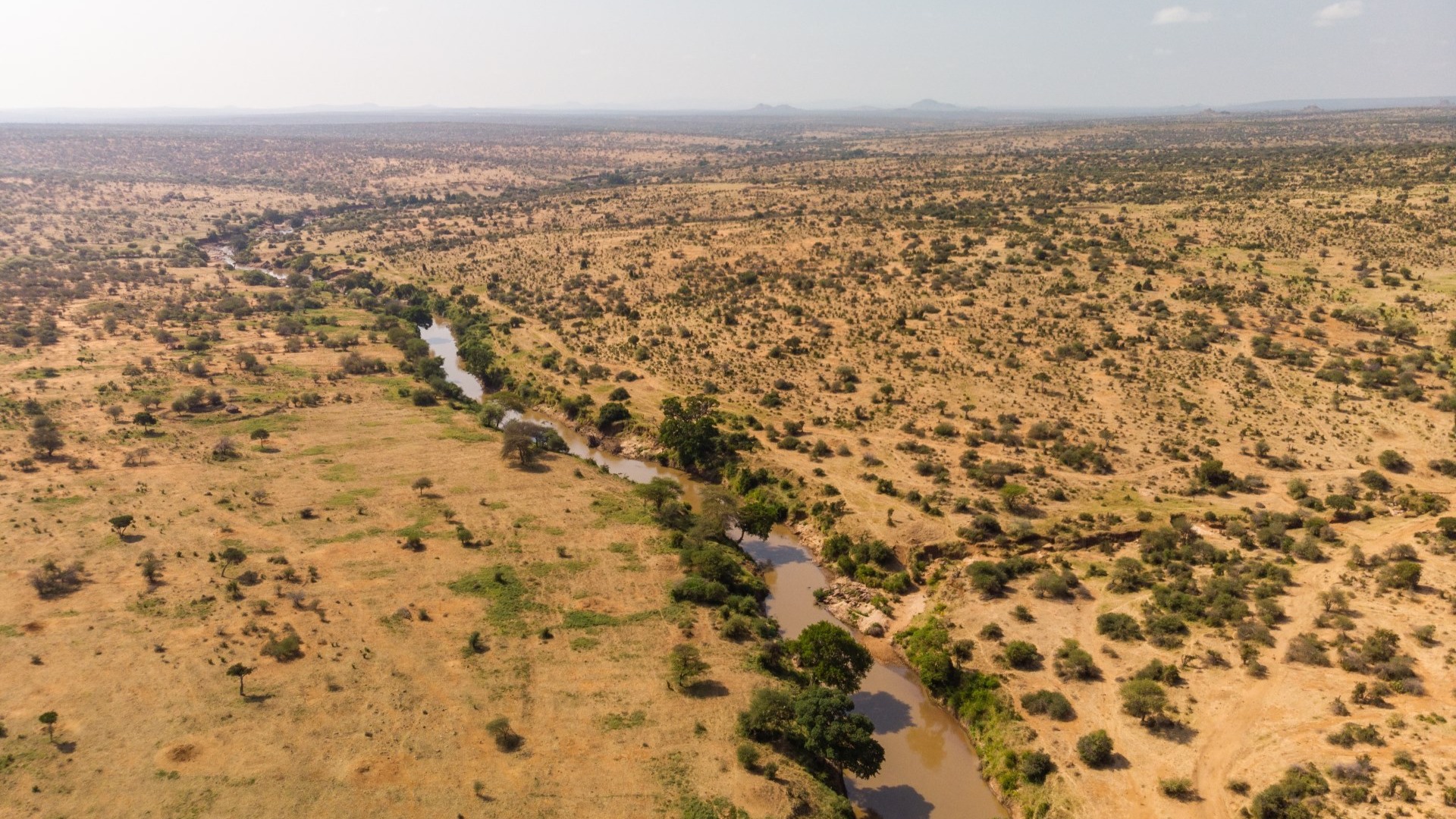
From that modest beginning grew one of the most important conservation areas on the planet. Today, Kruger protects close to 2-million hectares of interconnected ecosystems… Riverine forest along the Sabie and Olifants… Thornveld and open grasslands around Satara… Mopane woodland in the north… Each habitat with its own character, its own cast of species, its own seasonal rhythm. More than 500 bird species. Dozens of large mammals. Predators and prey moving in patterns that have played out for thousands of years. It is not simply a park. It is a living, breathing system.
Of course, the story has not been without challenge. Droughts. Floods. Poaching. Political shifts. The complex realities of managing land that borders communities and international frontiers. Conservation has never been easy work. It has required stubborn optimism and relentless commitment from rangers, scientists, trackers, hospitality teams, and neighbouring communities whose livelihoods are deeply connected to the land.
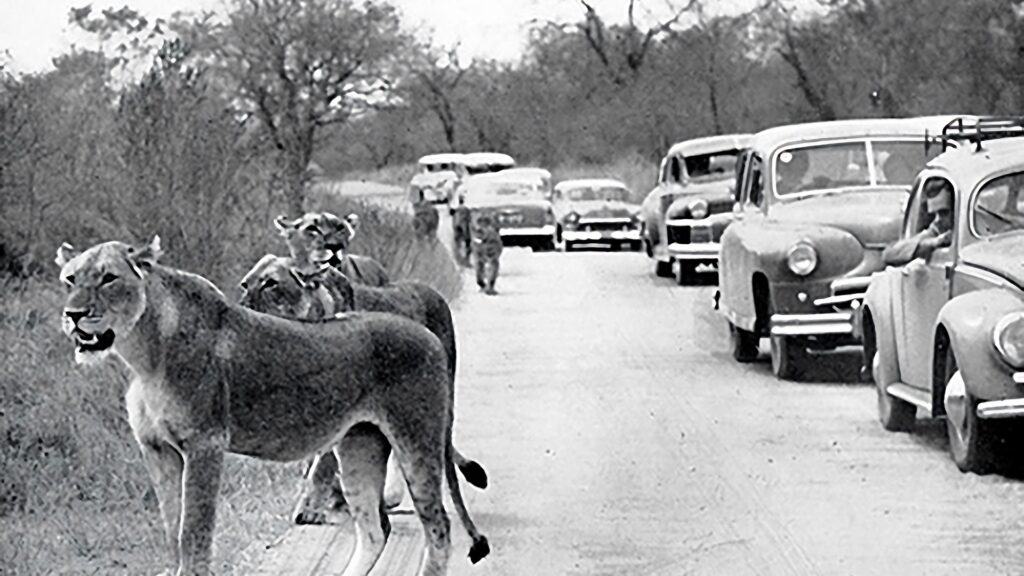
A century later, the Kruger National Park stands not because it was untouched, but because it was cared for. That distinction matters. For those of us who spend our days and nights here, the centenary is not just a date on a calendar. It is something we feel in the small, everyday moments. In the worn steps leading down to a river that elephants have used for decades. In the way certain fig trees have become landmarks for generations of guides. In stories passed from old hands to new recruits about leopards known by name and lion prides that have ruled the same territory for years. This place holds memory.
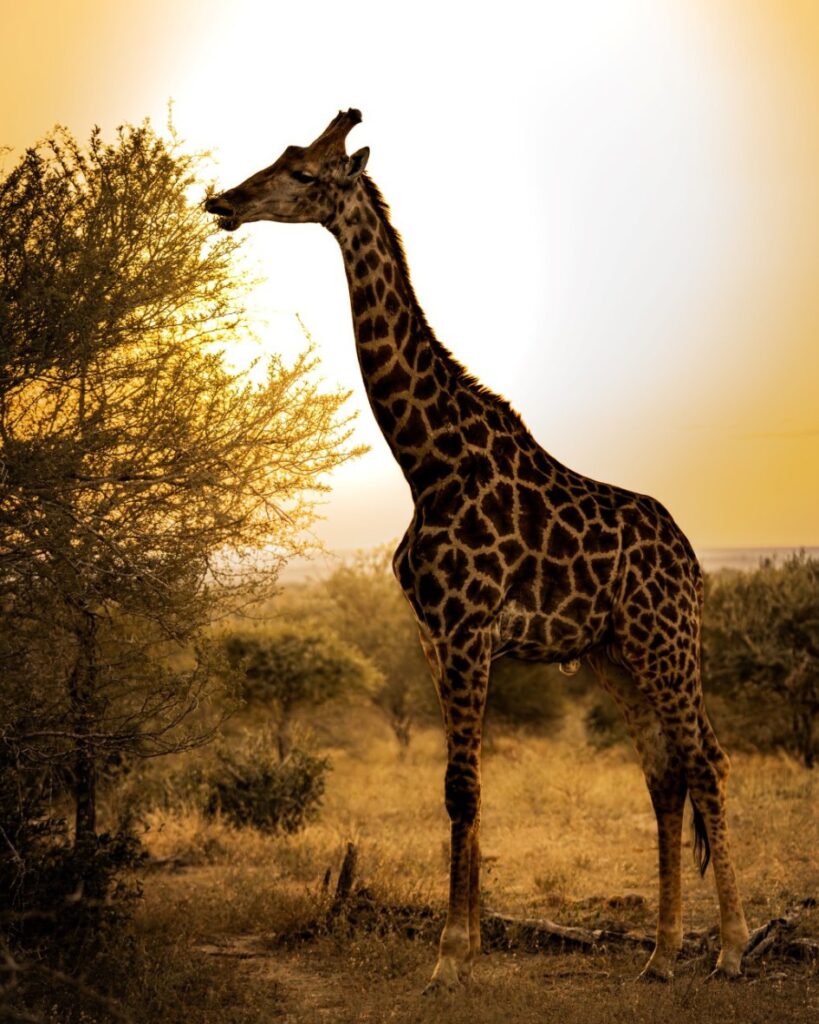
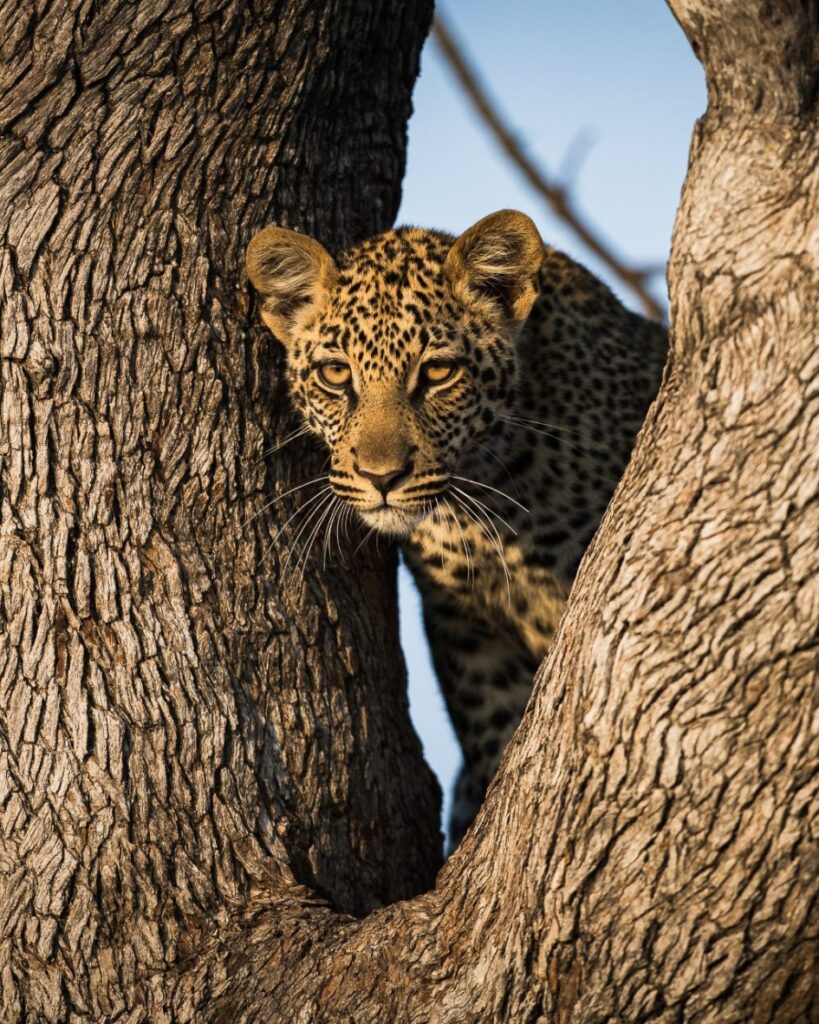
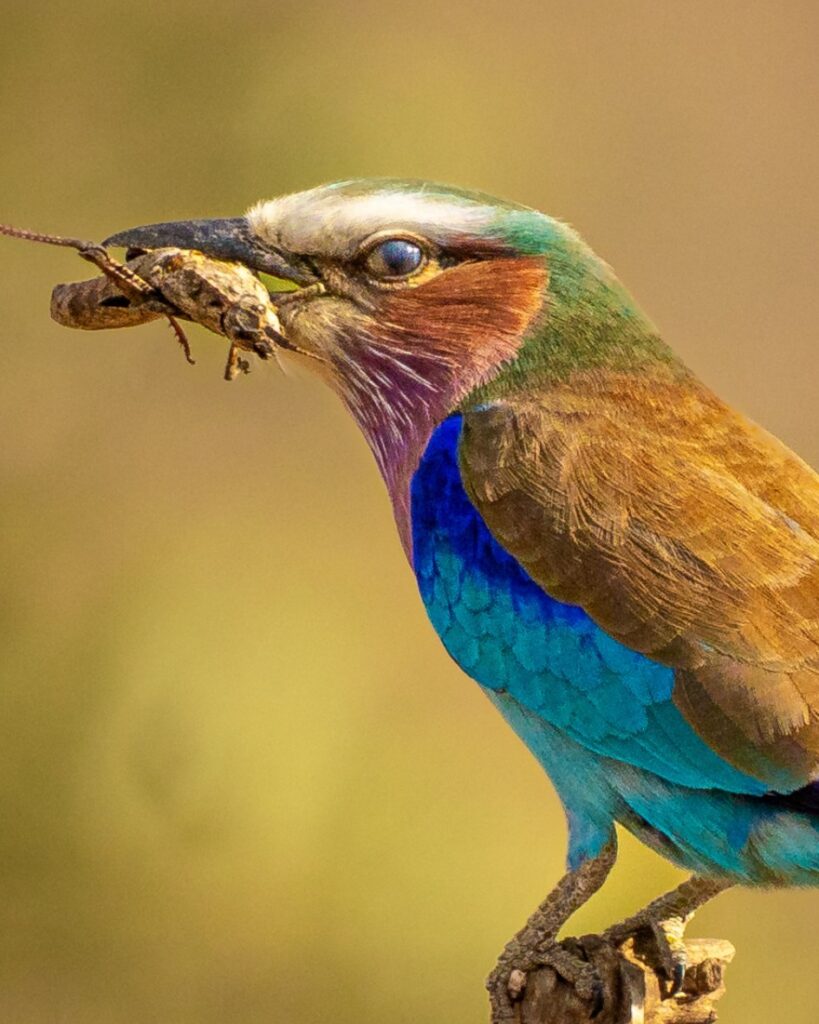
At Kruger Untamed, our camps exist within that much larger story. We are not separate from the park. We are part of its continuing chapter.
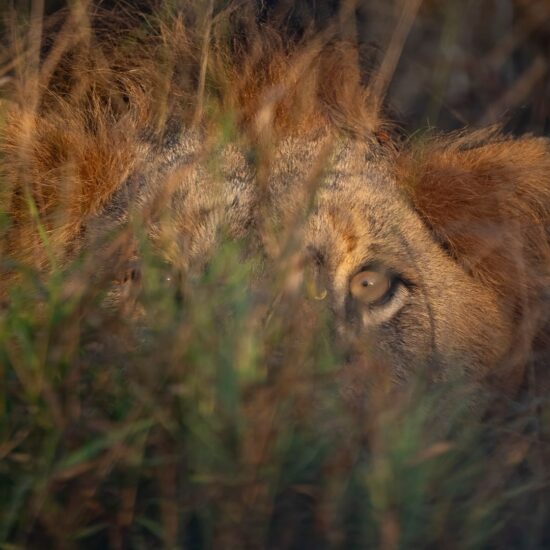
Our philosophy has always been simple. Strip things back. Slow things down. Let the wilderness lead. Because when you are truly immersed in the bush, you begin to understand what a century of protection really means. It means hearing a fish eagle call at dawn just as it did for visitors 50 years ago. It means watching buffalo gather at a waterhole that has sustained life through countless dry seasons. It means knowing that the lion tracks you follow on foot are part of an unbroken lineage stretching back over countless centuries.
The centenary gives us a moment to pause and acknowledge the privilege of operating here. To honour the people who fought to protect this landscape long before luxury travel or safari brands existed. To recognise the communities around the park whose knowledge, resilience, and partnership are essential to its future. And to recommit ourselves to doing things properly, thoughtfully, and with respect.

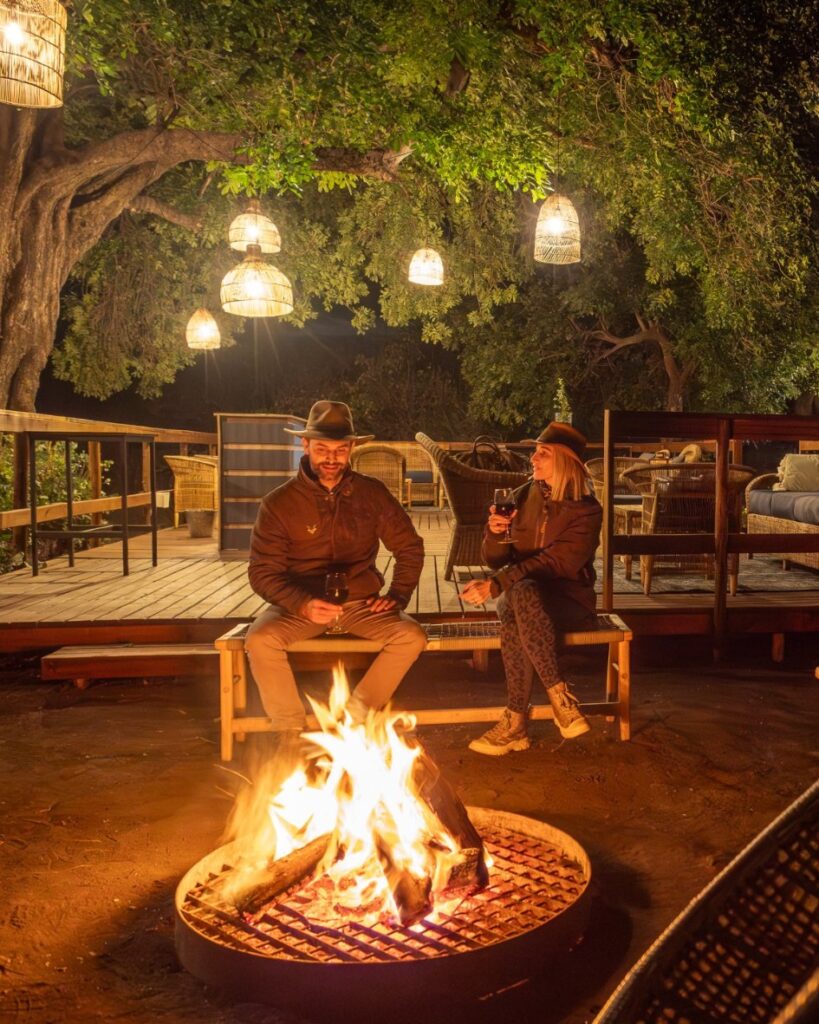
For our guests, it is an invitation too – one to experience Kruger not as a checklist of sightings, but as a place with depth and history. To sit quietly by a fire and imagine what this land looked like 100 years ago. To realise that every elephant, every marula tree, every bend in the river is part of something far older and far bigger than any one visit.
This is the true gift of Kruger. It reminds us that we are temporary and that the wilderness, if protected well, is not.
As the park steps into its second century, our hope is simple. That it remains wild. That it continues to evolve and recover and surprise us. That future generations will still hear lions at night and smell dust after rain and feel that same sense of awe when the bush opens up before them. One hundred years on, Kruger is not a relic. It is alive, restless, and utterly relevant. And we are proud to walk this next chapter alongside it.
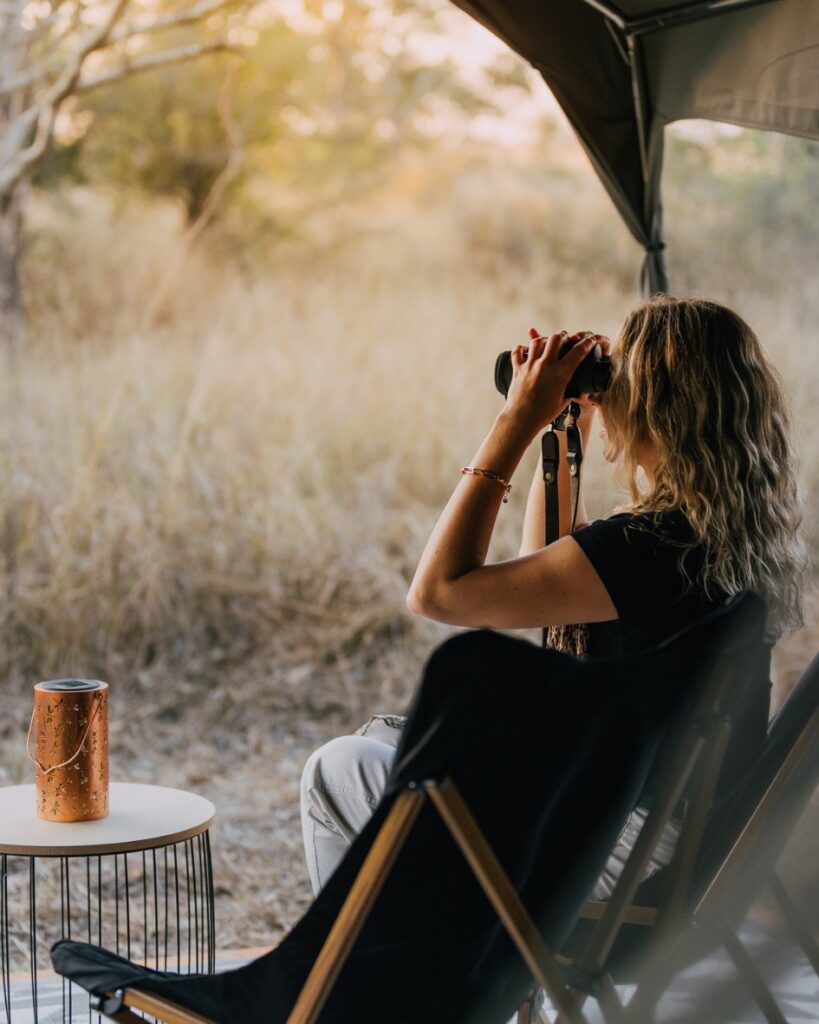
For those who feel called to experience it in its truest form, there is still a way to return to the origins of safari. On foot. Under canvas. Immersed fully in the rhythm of the bush. This is how Kruger was first encountered – and how it is best understood.
Book your stay and step into the wild, as it was meant to be.