The quiet shift from summer to autumn has begun
There is no obvious moment when summer ends in the Kruger, yet anyone who has experienced a Kruger autumn safari will recognise the quiet shift that begins to unfold. No sudden cold front sweeps in to redraw the landscape, no blaze of colour signals a turning point, and while 1 March is recognised as the watershed between summer and autumn, no date on the calendar feels definitive enough to declare that one season has closed and another has begun. Instead, the change arrives gradually and almost imperceptibly, carried on subtleties that reveal themselves only to those who slow down enough to notice them.
Autumn begins with a quiet recalibration of light, temperature and mood, until one day you realise the wilderness is breathing a little differently.
A Different Pace: The Kruger Autumn Safari
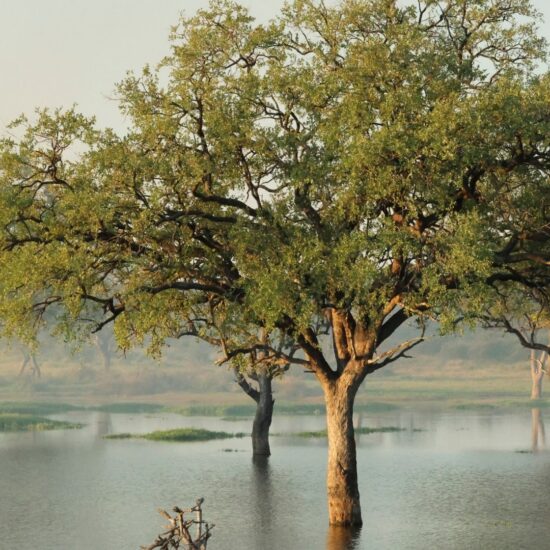
Dawn stretches out longer, arriving with a softer glow rather than the abrupt brightness of high summer, while evenings slip into dusk earlier, the sun lowering at an angle that paints the grasslands and riverbanks in warm amber tones. Shadows lengthen across the open ground and linger beneath the trees, giving the landscape a depth and texture that feels cinematic. After months of humidity and towering afternoon cloud, the air clears, the horizon sharpens, and the sky seems broader and more open, as though the entire region has exhaled after the intensity of the rains.
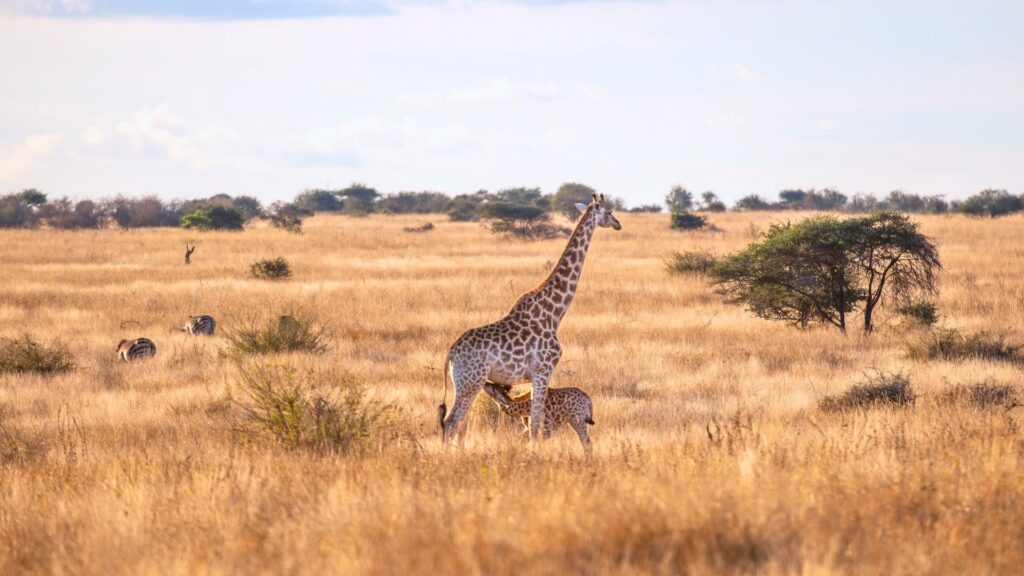
With that gentler light comes a subtle shift in tempo. The wilderness, which only weeks ago felt exuberant and overflowing, begins to settle into something steadier and more deliberate. Grasses that surged upward in a rush of green now stand tall and heavy with seed, their heads brushing together with a dry whisper when the breeze moves through.
The constant hum of insects softens, no longer the relentless soundtrack of midsummer, and the frenetic energy of the breeding season gives way to calmer afternoons that stretch unhurriedly toward sunset. Water glints in pans and drainage lines, and while the odd downpours are still possible, mostly the water reflects the sky like a sheet of glass.
Wildlife in Transition
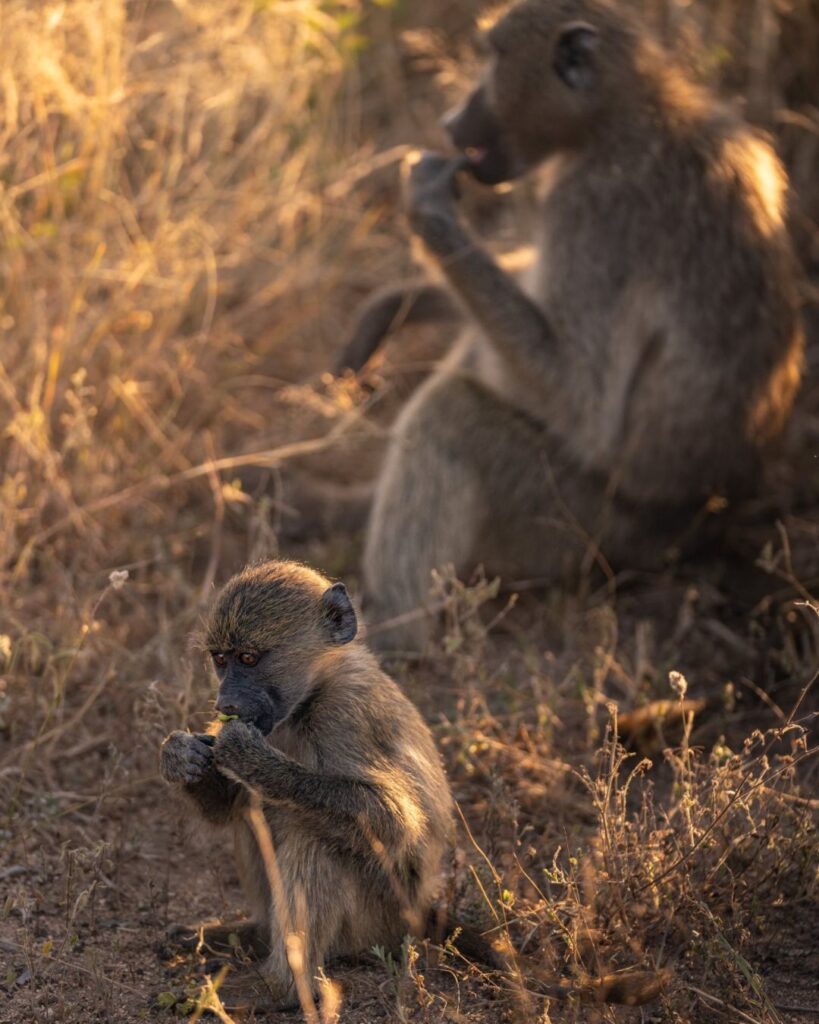
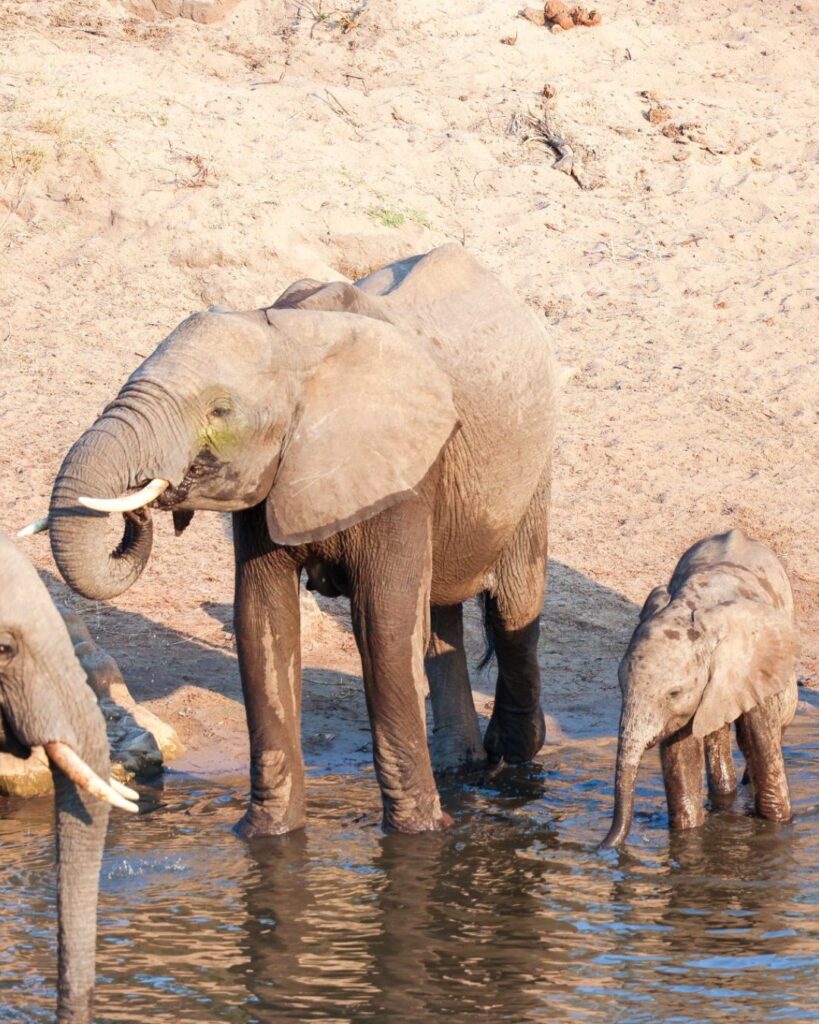
Wildlife responds to this seasonal easing in ways that feel both practical and poetic. The young animals born during the height of summer’s abundance have grown noticeably stronger, their early fragility replaced by confidence and curiosity. Impala lambs that once hovered nervously beside their mothers now dash through the grass in tight, playful circles. Warthog piglets, all knees and oversized ears just weeks ago, have filled out into sturdy little characters who trot with comic determination behind their families.
Everywhere you look there is the sense of a generation finding its feet.
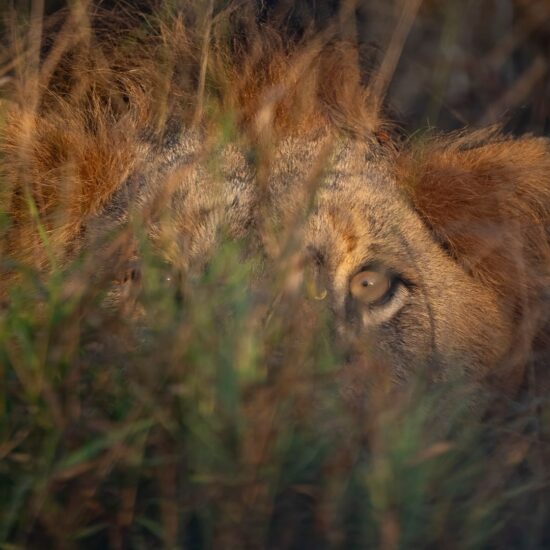
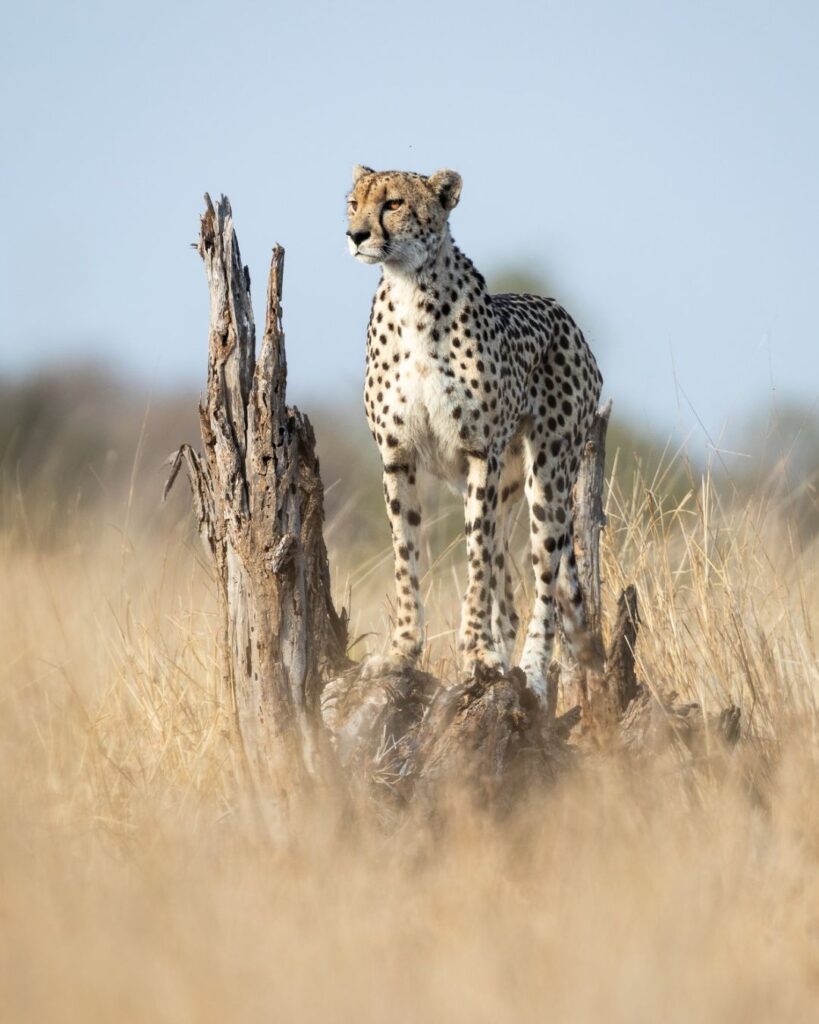
Predators, too, seem to lean into the new rhythm. Lions linger longer in the open after sunrise, stretched out on bare earth that still holds the night’s coolness, while leopards patrol the riverine fringes with quiet intent, their paths easier to follow as vegetation begins, almost imperceptibly, to thin. The entire ecosystem appears to operate with a measured confidence, as though the rush of growth is complete and now the focus has shifted to consolidation and survival.
The Camp Build Begins
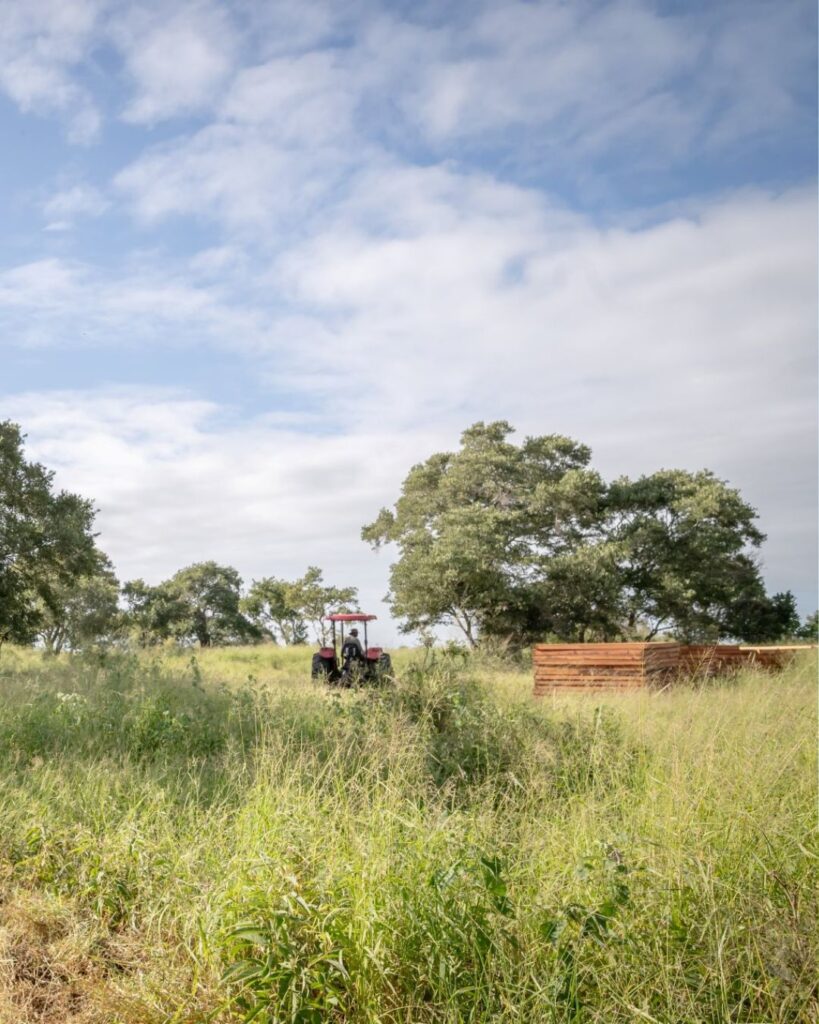
For us at Kruger Untamed, this seasonal transition carries another layer of meaning, because while the wilderness is settling into autumn’s steady rhythm, our own annual cycle is just beginning to gather momentum. March marks the start of the camp build process at both Satara Plains Camp and Tshokwane River Camp, a period of purposeful activity that unfolds quietly behind the scenes long before the first guests arrive.
Where visitors might see only open bush, our teams see the outlines of what is to come, and the familiar choreography of rebuilding begins.
Canvas is unpacked and checked, platforms inspected, poles stacked in careful order. Walkways take shape between the trees, kitchens are assembled piece by piece, and the soft clink of tools carries through the morning air.
There is something deeply grounding about this work, something that feels honest and tactile, with hands in the soil and boots dusted red by the earth. Each tent rises gradually, its lines pulled tight and true, until the space begins to resemble a small, temporary village that belongs to the landscape rather than imposed upon it. The camps do not simply appear at the start of the season. They are crafted with care, rebuilt each year in quiet partnership with the wilderness that hosts them.

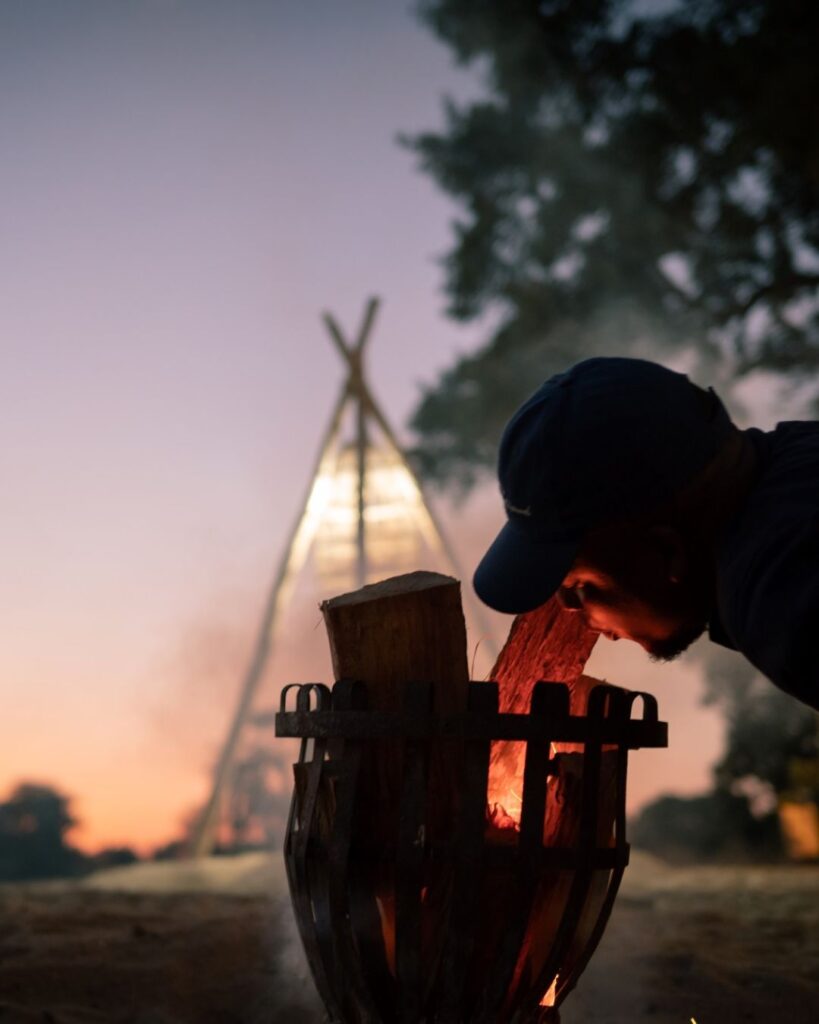
As the days pass, small signs of life return. Equipment is tested, linens aired, and the first trial meals prepared as laughter drifts from the kitchen area. Lanterns are hung, water systems checked, and paths swept clear of grass. It is practical, often unglamorous work, yet it carries a quiet anticipation, because every bed made and every fire pit cleared is a promise of stories still to unfold. This year, with the torrential rains that fell in January still fresh in our minds, the landscapes around our camp sites are somewhat changed and the task of crafting camps for the new season is more exciting and thrilling.
By the time 1 May arrives and the camps officially open, the transformation feels complete, as though the bush itself has welcomed us back and allowed these spaces to settle naturally into place. There is something beautifully fitting about beginning this process in autumn. Just as the wilderness prepares for the drier months ahead by storing energy, setting seed and guiding its young toward independence, we too prepare for the season to come, laying foundations that will support countless moments of connection and discovery. The rhythm is shared, human effort moving in step with natural cycles, each responding to the other in a quiet conversation that repeats year after year.
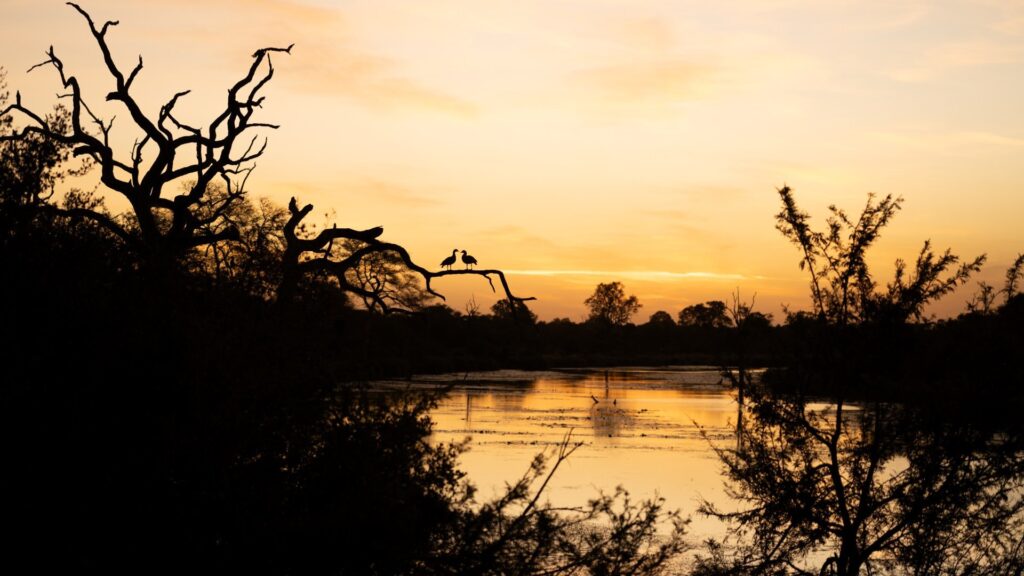
Perhaps that is why this time feels so special. Autumn in the Kruger does not announce itself loudly or demand attention with spectacle. Instead, it reveals its character through nuance, through the way the light leans, the air cools and the land steadies. It’s a wonderful time of year, with crisp, golden mornings, warm, sun-filled days, and evenings that become chillier the closer to winter it gets. Autumn is a season of readiness rather than endings, of gentle preparation rather than decline, reminding us that every shift in the wild is simply part of a larger, continuous story.
And as the camps appear once more between the trees, canvas catching the first golden light of the morning, it becomes clear that we are not separate from that story at all. We are simply finding our place within its rhythm, returning each year to build, to welcome, and to share this remarkable wilderness just as it begins, quietly and confidently, to turn the page into autumn.