The dry season transforms one of Africa’s greatest wilderness areas into something extraordinary
People who have only experienced the Kruger National Park in summer and those who have experienced it in winter are, in a meaningful sense, talking about two different places. The transformation that the dry season brings to this landscape is profound and cumulative, unfolding gradually across May and June until it reaches its most intense and most rewarding expression in the deep winter months of July and August. To be in the Kruger in winter is to experience the park at its most elemental, and to understand, perhaps for the first time, what all the fuss has always been about.
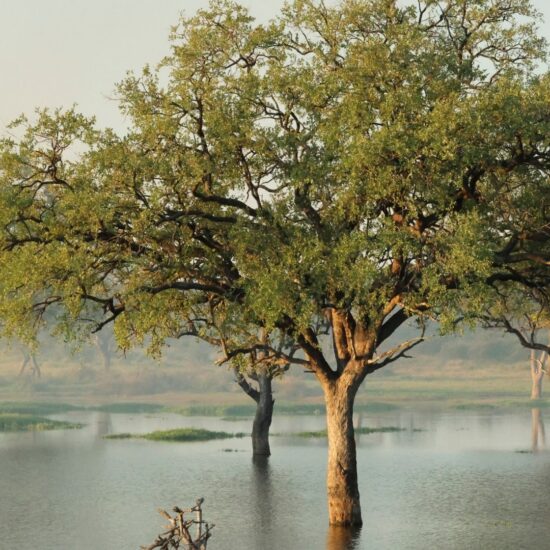
Winter in the Kruger arrives quietly. There’s no dramatic announcement, no sudden cold front that changes everything overnight. The rains simply stop, and in their absence, the landscape begins a slow and steady transformation that takes weeks to complete. The grasses, tall and green through the wet season, gradually recede and dry to gold. The rivers dry up and the waterholes, full and brimming in April, begin to contract, concentrating whatever life depends on them into an ever-smaller radius. The air loses its humidity and becomes something cleaner and sharper, the kind of air that makes everything feel more vivid and more immediate.
The cold itself is part of the experience. Winter mornings in the central Kruger are genuinely cold, with temperatures dropping to single digits before dawn and staying low well into the early hours of a game drive.
There’s something about the cold of an open vehicle moving through pre-dawn darkness, the sky still full of stars, the bush silent except for the sounds it makes when it thinks no one is listening, that produces a heightened state of awareness in people. The senses sharpen, the eyes adjust and the first light of a winter sunrise over the Lowveld, that slow, extraordinary bleed of orange and gold across an enormous sky, arrives with the force of something genuinely unmissable.
The Tshokwane region in winter
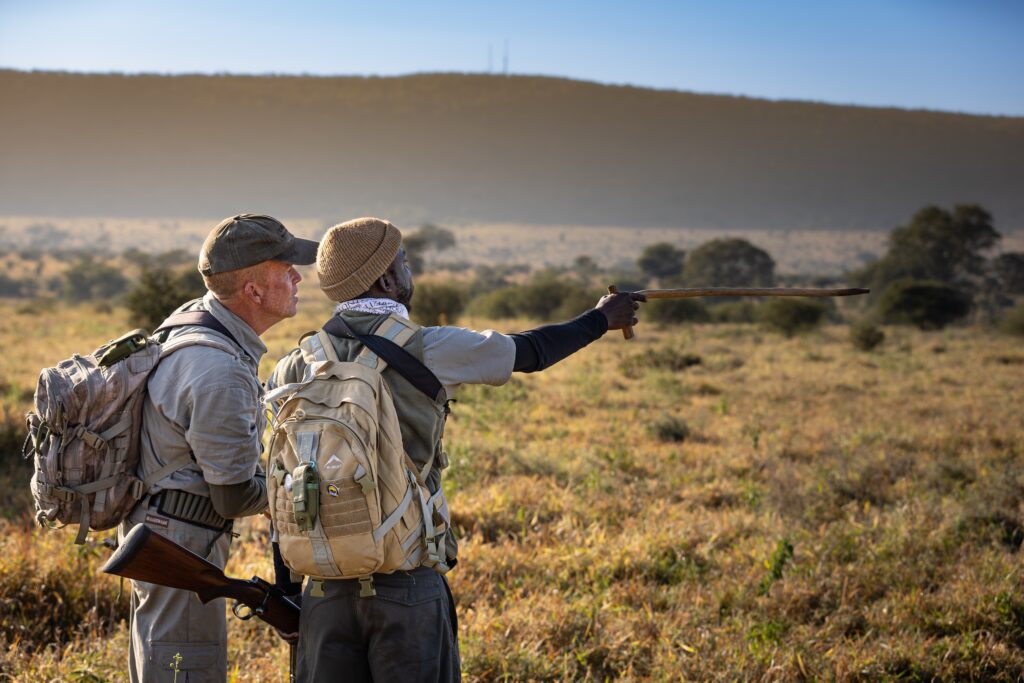
The area surrounding Tshokwane River Camp, in the south-central Kruger, is among the most consistently productive game-viewing terrain in the entire park, and winter amplifies everything that makes it exceptional. The mixed woodland and riverine habitat that defines this part of the Kruger supports an extraordinary density and diversity of wildlife, and as the vegetation thins and water becomes more scarce, the animals that depend on this landscape become increasingly visible and increasingly concentrated.
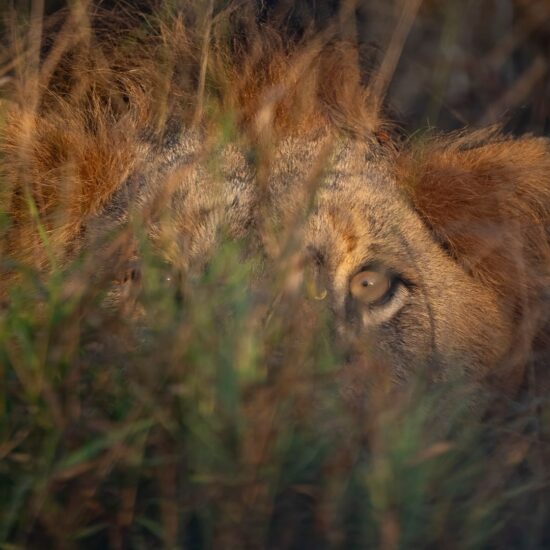
The Tshokwane region is particularly known for its predator activity, and winter is when the big cats make themselves most apparent. Lions move through more openly across thinning grass, their movements less concealed and their hunting patterns more legible to those watching.
Leopard sightings increase as the riverine forest opens up and the dense cover of summer gives way to something more transparent. The birding in this region, exceptional at any time of year, reaches a particular richness in winter when resident species are easier to locate in the more open vegetation.

The Satara plains in winter
The open savannah surrounding Satara Plains Camp, in the heart of the central Kruger, is one of the great wildlife landscapes on the African continent, and winter is the season that reveals its full potential most completely. This is flat, open country where the horizon seems impossibly distant and the sky dominates everything beneath it, and in the dry season it becomes a stage for wildlife encounters of a scale and drama that are difficult to find anywhere else on earth.
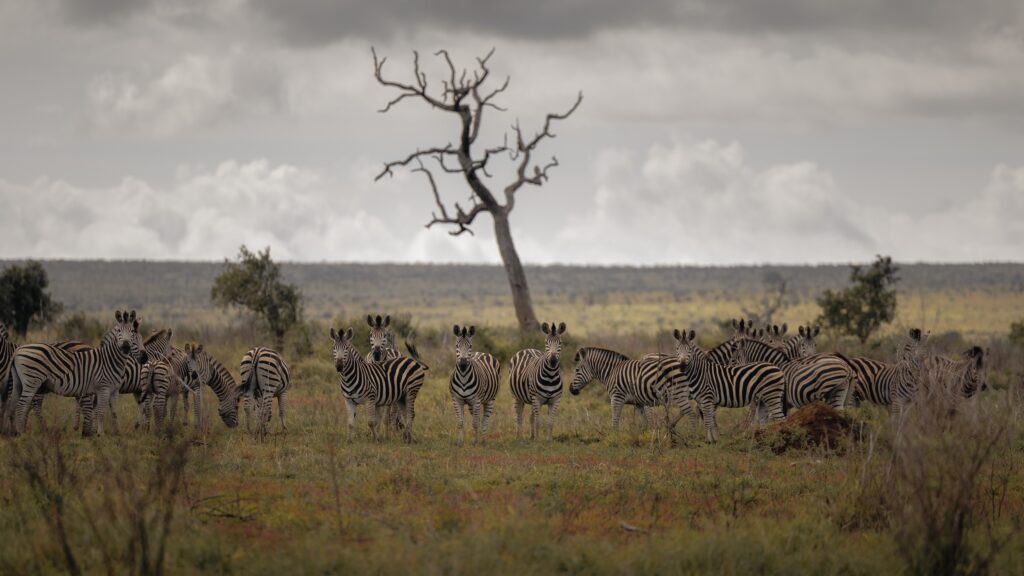
Satara sits at the centre of one of the highest concentrations of lion in the Kruger National Park, and winter is when these animals are most active, most visible, and most likely to be encountered going about the full, complex business of their lives. The open plains allow sightings of a quality and duration that denser habitats simply can’t produce, a pride spread across an open clearing in the early morning light, or a coalition of males moving purposefully across the plains at dusk, watched and absorbed in a way that a sighting in thick bush rarely permits. The convergence of prey species that winter produces in this part of the Kruger is equally remarkable. As the dry season tightens its grip and surface water becomes scarce, great herds concentrate around the remaining waterholes and drainage lines of the central plains, and with them come the full cast of predators that depend on their presence. The ecological theatre that plays out across the Satara region in July and August is, for many guests, the single most compelling wildlife experience the African continent has to offer.
The stillness that winter brings
Beyond the game viewing, beyond the cold and the soft, golden light and extraordinary skies, winter in the Kruger offers something less tangible and, in its own way, more valuable. It offers stillness. The bush in winter is quieter than at any other time of year: fewer insects, less birdsong, the absence of the thunderstorms that punctuate summer nights. What remains is a silence so complete and so textured that guests who encounter it for the first time often describe it as one of the most affecting experiences of their stay.
This is the quality that the Kruger in winter gives to people who are willing to sit inside it long enough to let it work. The cold and the quiet and the vast, indifferent beauty of a landscape that has been doing this for longer than any of us can meaningfully imagine produce, in almost everyone who encounters them, a shift in perspective that is difficult to manufacture by any other means.
Winter in the Kruger is the time when the park most fully reveals what it is, and what it has always been.
Tshokwane River Camp is open and Satara Plains Camp opens on 1 July after a rain-induced delay. Both will remain open through the winter season until the end of September. already are.Experience the wilderness for yourself.